Difference Between Acer Aspire 16 Ai and Meta Ray-Ban Display Explained
The consumer electronics market is currently witnessing a fascinating convergence of artificial intelligence, portability, and augmented reality. While traditional hardware categories like laptops continue to evolve by integrating dedicated AI processing, wearable technology is simultaneously attempting to redefine how we consume digital information. This evolution has brought about a unique point of comparison for modern tech enthusiasts: the distinction between a high-performance productivity machine like the Acer Aspire 16 Ai and the innovative, display-less visual interaction platform of the Meta Ray-Ban Smart Glasses.
At first glance, comparing a 16-inch laptop to a pair of smart glasses may seem like comparing a desktop workstation to a wristwatch. However, for the modern professional or digital nomad, these two devices represent the two primary ways we now "interface" with the digital world. One represents the "Heads-Down" approach—focused, deep-work productivity—while the other represents the "Heads-Up" approach—ubiquitous, situational awareness and hands-free interaction. Understanding the deep structural and functional differences between these products is essential for anyone looking to optimize their personal tech stack in 2026.

The Evolution of Intent: Acer Aspire 16 Ai
The Acer Aspire 16 Ai is a direct response to the "AI PC" era. Unlike previous generations of the Aspire line, which were often viewed as budget-friendly all-rounders, the 16 Ai model focuses on the integration of a Neural Processing Unit (NPU). This hardware is specifically designed to handle background AI tasks, such as eye-contact correction during video calls, background noise suppression, and local execution of large language models without taxing the primary CPU or GPU. This makes it a formidable tool for students and business professionals who require sustained performance for multitasking.
Physically, the device adheres to the classic laptop form factor but with modern refinements. The 16-inch display offers a 16:10 aspect ratio, providing more vertical screen real estate which is critical for coding, spreadsheet management, and long-form writing. Under the hood, it typically features the latest architecture from Intel or AMD, paired with hardware-level optimizations that make "Acer Sense" more than just a utility suite; it becomes an active participant in managing the laptop’s thermal and power efficiency based on user behavior.
The Paradigm Shift: Meta Ray-Ban Vision and "Display"
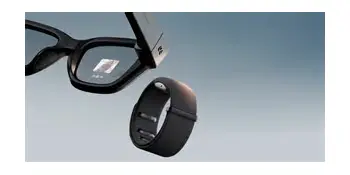
The Meta Ray-Ban Smart Glasses represent a radical departure from the screens we have grown accustomed to. It is important to clarify a common misconception regarding the "display" of the Meta Ray-Bans. Unlike true Augmented Reality (AR) headsets like the Meta Quest 3 or the Apple Vision Pro, the Meta Ray-Ban Smart Glasses do not actually have a visual screen or a transparent glass panel that projects images onto the lenses. When we speak of the "Display" in the context of this product, we are referring to the Multimodal AI interaction and the way the device "displays" or conveys information to the user through audio and connected smartphone interfaces.
The Meta Ray-Bans use a built-in camera and AI to "see" the world for you. If you ask the glasses, "Hey Meta, what am I looking at?", the AI processes the image and speaks the answer into your ears via open-ear speakers. While there is no physical glass display, the "output" is a digital layer superimposed on your physical life. This creates a fascinating contrast with the Acer Aspire 16 Ai, where the display is a physical, high-resolution LCD or OLED panel that requires your undivided visual attention.
Detailed Product Analysis: Comparing the User Experience
Processing Power and Hardware Architecture
The Acer Aspire 16 Ai is built for "Heavy Lifting." With up to 32GB of DDR5 RAM and multi-core processors, it is designed to run complex software suites like Adobe Creative Cloud, Microsoft Excel with massive datasets, and integrated development environments. The inclusion of the NPU means that as Windows or Linux evolves to include more AI-driven OS features, the Aspire 16 Ai will remain snappy and efficient. It is a stationary or semi-portable powerhouse meant for sitting down and "doing the work."
In contrast, the Meta Ray-Ban Smart Glasses utilize the Qualcomm Snapdragon AR1 Gen 1 platform. This chip is optimized for low power consumption and high-speed image processing rather than raw computational throughput. Its job is to manage the 12MP camera, the five-microphone array, and the Wi-Fi 6E/Bluetooth 5.3 connectivity. The "intelligence" of the glasses is largely offloaded to the cloud or the paired smartphone, focusing on being a lightweight sensor package rather than a standalone computer.
Interaction Models: Keyboard vs. Voice
Interaction with the Acer Aspire 16 Ai is traditional: a tactile keyboard, a precision touchpad, and perhaps a touchscreen. This allows for high-fidelity input. You can precisely edit a pixel, move a cell in a table, or type 100 words per minute. It is the gold standard for creating content. The AI involvement here is subtle—it might suggest a sentence completion or help you find a file faster, but the human remains the primary driver through physical touch.
Discover deals on Laptops & Computers — updated daily.
View Offers →The Meta Ray-Bans move the interaction to the periphery. You interact via voice commands or the discreet touchpad on the temple of the glasses. This is designed for "Lifestyle" interaction. You can start a livestream to Instagram directly from your eyes, take a phone call while walking the dog, or ask for a translation of a menu in a foreign country without ever reaching for your pocket. The "Display" of information is auditory, making it much more integrated into the user's natural environment but significantly less capable for detailed productivity tasks.
Pros and Cons
Acer Aspire 16 Ai
- Pro: Massive 16-inch high-resolution screen provides an immersive environment for detailed work and media consumption.
- Pro: Dedicated NPU hardware future-proofs the device for the next generation of AI-integrated software and operating systems.
- Pro: Full-sized keyboard and extensive port selection (USB4, HDMI, etc.) allow for a complete workstation setup.
- Con: Bulkier and heavier than ultraportable alternatives, making it less ideal for constant travel.
- Con: High power consumption means battery life can vary significantly during intensive AI processing tasks.
Meta Ray-Ban Smart Glasses
- Pro: Extremely lightweight and indistinguishable from standard fashion eyewear, allowing for all-day wear.
- Pro: Hands-free "look and ask" AI features provide immediate information about the physical world without a screen.
- Pro: High-quality built-in speakers and microphones deliver excellent call quality and private audio without blocking ears.
- Con: Lack of a physical visual display limits the ability to read long documents or view detailed graphics.
- Con: Privacy concerns regarding the built-in camera can make the device controversial in certain social or professional settings.
Core Differences at a Glance
| Feature | Acer Aspire 16 Ai | Meta Ray-Ban Smart Glasses |
|---|---|---|
| Primary Use Case | Content Creation & Professional Productivity | Content Capture & AI-Assisted Lifestyle |
| Display Type | 16-inch Physical LCD/OLED Panel | Audio-Based / No Visual Screen |
| Input Method | Keyboard, Touchpad, Mouse | Voice Control, Temple Touchpad |
| AI Capabilities | Local NPU for Software Optimization | Multimodal AI for Visual Translation/ID |
| Portability | Portable (Laptop Bag) | Wearable (On Face) |
| Battery Life | 8–12 Hours (Variable) | 4 Hours Active / 32 Hours with Case |
Real-World Use Cases: Which One Do You Need?
The choice between these two devices depends entirely on where you spend the majority of your digital life. Let’s consider a few scenarios that buyers typically face when deciding on new hardware.
The University Student
For a student, the Acer Aspire 16 Ai is almost certainly the primary purchase. Writing a 2,000-word essay, performing research across twenty browser tabs, and attending virtual lectures requires a screen and a keyboard. The AI features in the Aspire 16 help by summarizing lecture transcripts or cleaning up the audio of a recorded seminar. However, the Meta Ray-Bans could serve as a powerful secondary tool. Imagine walking through a campus library and asking the glasses to identify a book on a shelf, or recording a hands-free "day in the life" vlog for social media. One is for the "output" of the degree; the other is for the "experience" of student life.
The Travel Professional
A travel professional might find themselves torn. The Acer Aspire 16 Ai is a reliable companion for catching up on emails in a lounge or presenting a deck to a client. But the Meta Ray-Bans offer something the laptop cannot: translation and navigation. If you are in a city where you don't speak the language, the "Display" of information from the glasses—hearing a translation of a street sign or a menu directly in your ear—is a game-changer. It allows the professional to remain "plugged in" to their data without looking like a tourist staring at a phone screen.
The Creative Content Creator
Creators will see the most drastic difference here. The Aspire 16 Ai is where the editing happens. It has the horsepower to render 4K video and the color-accurate screen to grade photos. The Meta Ray-Bans are where the source material happens. Because the camera is at eye level, the perspective is unique and authentic. A chef can record a "POV" video of them preparing a dish, or a cyclist can capture a downhill descent without a bulky GoPro. The glasses capture the "vibe," while the AI laptop polishes the "product."
Buying Guide: Key Considerations for 2026
When shopping for these devices, it is important to look past the marketing buzzwords and focus on the technical specifications that will actually impact your daily life.
For the Acer Aspire 16 Ai Buyer:
1. Check the NPU Rating: Not all AI PCs are created equal. Look for the "TOPS" (Trillions of Operations Per Second) rating of the NPU. Higher TOPS means the laptop can handle more complex AI tasks locally without sending data to the cloud, which is better for privacy and speed.
2. Screen Quality: Since you will be staring at this for hours, ensure you choose the resolution that fits your needs. 1920x1200 is the baseline, but if you do photo work, look for the higher-resolution OLED options often available in this series.
Shop the latest Laptops & Computers picks on Amazon.
See Deals →3. Thermal Management: Look for reviews that mention "fan noise." AI processing can generate significant heat, and Acer’s "TwinAir" cooling technology in the Aspire 16 is designed to handle this, but performance can vary based on the specific processor choice.
For the Meta Ray-Ban Buyer:
1. Lens Needs: You can get these with prescription lenses, transitions, or standard polarized sunglass lenses. Since these are "wearables," their utility as actual glasses is just as important as the tech inside.
2. Ecosystem Lock-in: These glasses work best if you are already a user of Meta’s services (WhatsApp, Instagram, Facebook). While they function as standard Bluetooth headphones for any device, the AI "look and see" features require the Meta View app and a stable data connection.
3. Fit and Weight: Try them on if possible. While they are light for smart glasses, they are slightly heavier than standard Ray-Ban Wayfarers. Ensuring they are comfortable for multi-hour wear is essential for getting your money's worth.
Conclusion: Two Different Paths to an AI-Enhanced Future
The "Difference Explained" between the Acer Aspire 16 Ai and the Meta Ray-Ban display eventually comes down to the direction of your focus. The Acer Aspire 16 Ai is an evolution of the workstation—it is designed to make you a more efficient creator, a more focused student, and a more capable professional by using AI to remove the frictions of computing. It is about depth.
The Meta Ray-Ban Smart Glasses, and specifically their unique interpretation of a "display," are about breadth. They are designed to expand your awareness, allowing you to interact with digital intelligence while keeping your hands free and your eyes on the world around you. They represent the first successful step toward "Invisible Computing," where the hardware disappears and only the information remains.
For most buyers, these are not competing products but rather complementary ones. The Acer Aspire 16 Ai remains the essential anchor of any modern digital life, providing the screen and power necessary for significant tasks. The Meta Ray-Bans represent the future of the interface—a way to take that digital power out of the laptop bag and into the streets. Whether you choose the massive, vivid panel of the Acer or the invisible, auditory display of the Meta, you are ultimately choosing between two different but equally powerful ways to navigate the increasingly AI-driven landscape of our modern world.