Is the Om System Om 5 Ii better than the Boya Magic? We Tested Both
Content creators, travel photographers, and hybrid shooters often face the same question: invest in a higher-end camera body or upgrade their audio kit? To answer this, a side-by-side test of the OM System OM-5 II and the Boya Magic was conducted across typical real-world scenarios — travel vlogging, run-and-gun filmmaking, interviews, and lightweight photo walks. This article compares how each product performs on its own merits, what buyers usually care about, and when one makes more sense than the other. The conclusion is not just about “which is better” in absolute terms, but which is better for specific needs.
Introduction: Why compare these two?
At first glance, comparing a camera (the OM System OM-5 II) to an audio system (the Boya Magic) might seem apples-to-oranges. The value of either depends on what the user wants to improve: image capture or audio capture. Many creators mistakenly prioritize upgrades that look good on paper rather than the bottleneck in their workflow. This hands-on comparison focuses on practical outcomes: how each product affects finished content, ease of use in the field, and the kinds of buyers who will benefit most.
How the testing was done
The testing regimen covered a two-week period and was designed to reflect everyday use rather than lab-only measurements. Scenarios included:
- Urban daytime run-and-gun: street interviews and short b-roll segments while walking.
- Windy outdoor shooting: handheld footage on a hilltop and interviews with wind present.
- Low-light indoor scenes: evening cafe portraits and short documentary-style clips.
- Studio-style interviews: controlled lighting, multi-take dialogue recording.
- Travel carry test: packing, swapping lenses/accessories, and battery/runtime impressions.
Throughout these tests the OM System OM-5 II served as the main imaging device while the Boya Magic was evaluated as a representative compact wireless audio solution. Observations focus on how each product changes the creator’s workflow and the final perceived quality of content.
OM System OM-5 II — Detailed review and analysis
The OM System OM-5 II builds on the brand’s reputation for compact, weather-sealed Micro Four Thirds cameras aimed at travel and hybrid shooters. In the field it feels like a purpose-built travel camera: small enough to carry all day, robust enough to shrug off rain and dust, and responsive enough for photo and video workflows.
Design and ergonomics
Ergonomically the OM-5 II balances portability and control. The grip is comfortable for extended handheld use, and the button layout is logical for photographers and vloggers switching between modes. The articulating screen is helpful for vlogging and low-angle shots. Weather sealing proved useful during light rain tests without additional protection.
Image and video performance in real-world use
Image quality is very usable for social, editorial, and many professional outputs. Color rendering tends toward a neutral base that benefits from the brand’s film-simulation and picture-control options. In daylight and controlled lighting, sharpness and detail are reliable for both stills and 4K video. For low-light handheld shooting, the camera’s stabilization system and in-body image stabilization (IBIS) noticeably reduced blur and shaky footage, making it possible to shoot usable footage without a gimbal in many situations.
Autofocus is generally accurate for single-subject tracking like interviews and vlogs, though as with many compact systems, extremely fast-moving subjects require pre-focus technique or predictive framing. Video features such as log profiles, frame-rate options, and in-camera stabilization modes allow a flexible post workflow when paired with modest color grading.
Battery life and connectivity
Battery life is adequate for a day of casual shooting but heavy users will want at least one spare battery for full-day travel or multi-interview shoots. Connectivity options like Wi-Fi and Bluetooth simplify transferring clips to mobile devices for quick social uploads. Ports for external mics and headphone monitoring are present, but careful buyers should verify compatibility with their mics and adapters.
Shop the latest Cameras & Photography picks on Amazon.
View Offers →Real-world strengths and limitations
- Strengths: compact weather-sealed body, effective stabilization for handheld shooting, flexible stills + video capabilities, good ergonomics for extended use.
- Limitations: Micro Four Thirds sensor size trades some low-light performance and shallow depth-of-field control compared with larger formats; battery life can be a limiting factor for long shoots; lenses are an additional investment.
Pros & cons
- Pros
- Portable and weather-sealed design for travel and outdoor shooting
- Very good in-body stabilization that helps handheld video and low-light photos
- Hybrid features suitable for both photographers and vloggers
- Intuitive controls and a fully articulating screen
- Cons
- Smaller sensor means compromises in noise and background separation versus larger-sensor cameras
- Battery life requires spares for intensive use
- Top-quality results often depend on lenses as much as the body
Boya Magic — Detailed review and analysis
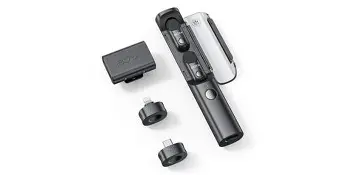
The Boya Magic is positioned as a compact, user-friendly wireless audio solution aimed at creators who need better sound than a camera’s internal mic but don’t want bulky rigs. In testing it consistently improved intelligibility and presence for interviews, vlogs, and on-the-go recording compared to on-camera microphones.
Design and setup
The Boya Magic system is compact and designed for fast setup. Transmitter and receiver units are lightweight and easy to clip to clothes or attach to camera hot shoes. Pairing and basic operation are straightforward, which is ideal for solo creators or small teams who need quick turnaround. Build quality is generally adequate for daily use, but buyers who plan heavy professional use may want more rugged alternatives.
Audio quality in practical scenarios
In quiet indoor environments and controlled interviews, the Boya Magic delivered clear and balanced audio with minimal handling noise. Outdoor tests with wind showed that onboard wind protection works to a point but severe gusts benefit from additional windshielding. Latency was negligible for vlog-style recording; for live-streaming where lip-sync is critical, it performed well in common streaming setups.
Where Boya Magic shines is in dialogue clarity and hands-free recording—it's a major upgrade over a camera’s internal microphone and a big step up for creators who need clean voice recordings without complex audio rigs. For multi-person setups, it handles one-to-two participants well, but larger roundtables will require additional units or an interface for mixing multiple channels.
Battery life and reliability
Battery life is suited to daily shoots and short outings; heavy users should consider portable chargers if they cannot swap batteries. The wireless range is sufficient for most run-and-gun interviews and single-presenter setups, but extreme distance or heavily obstructed environments will reduce range and reliability.
Real-world strengths and limitations
- Strengths: immediate improvement in vocal clarity, easy setup, small footprint, affordable for creators stepping up from onboard camera audio.
- Limitations: not as rugged as pro-level systems, wind protection needs supplementation in very windy conditions, limited multi-channel expansion without buying additional units or accessories.
Pros & cons
- Pros
- Significant audio quality improvement over camera mics
- Compact and fast to deploy for interviews and vlogs
- Good value for creators needing clear voice recording
- Minimal latency and straightforward connectivity
- Cons
- Windy conditions may still require external windshields
- Less robust build than higher-end pro wireless systems
- Not designed for large multi-mic interviews without additional purchases
Side-by-side comparison
The following table summarizes how the OM System OM-5 II and the Boya Magic compare across core buyer concerns. Because they address different parts of the production chain—image vs audio—the table focuses on real-world outcomes rather than raw specs.
| Category | OM System OM-5 II | Boya Magic |
|---|---|---|
| Primary use | Stills and video capture; hybrid content creation | Wireless vocal capture for vlogs, interviews, and run-and-gun setups |
| Immediate impact on content | Improves image quality, stabilization, and creative control | Improves speech clarity and reduces ambient noise compared to onboard mics |
| Portability | Very portable body but requires lenses | Very compact; minimal added bulk |
| Ease of use | Moderate learning curve for hybrid settings and menu navigation | Very simple setup and pairing for most users |
| Best for | Travel photographers, hybrid shooters, and vloggers wanting better images | Solo creators, interviewers, and anyone who needs better vocal audio quickly |
| Value for creators | High if image/video quality and stabilization are the main bottlenecks | High if audio clarity is the current limiting factor |
Who should buy which—and why
Buyers typically care about plainly improving the weakest part of their workflow. The right choice depends on what that weak point is.
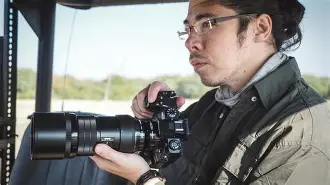
- If video/image quality is the limiting factor: The OM System OM-5 II is the logical purchase. It upgrades framing, stabilization, and low-light capability (relative to smaller-sensor point-and-shoots or smartphones) and allows more creative control. For travel and hybrid use, the OM-5 II is a strong all-around option.
- If audio is the limiting factor: The Boya Magic offers an immediate, noticeable upgrade. Clear speech makes content more watchable and professional, and for many creators audio improvements deliver a bigger perceived leap than marginal image gains.
- For balanced upgrades: If budget allows, pairing a capable compact camera with a good wireless mic yields the best result. Many viewers tolerate less-than-perfect video if the audio is clear, but poor audio makes even great visuals feel amateur.
Buying guide: What to consider before deciding
When choosing between upgrading a camera or buying a mic system, buyers should evaluate the following practical factors. These considerations apply whether the decision is between the OM System OM-5 II and the Boya Magic or similar devices from other manufacturers.
Assess the current bottleneck
Review recent projects objectively: are viewers complaining about grainy low-light footage, shaky video, or poor framing? Or are they commenting that voices are quiet, muffled, or drowned by wind? Fix the most damaging issue first.
Discover deals on Cameras & Photography — updated daily.
View Offers →Use-case and shooting environment
For run-and-gun travel shoots, prioritize portability and stabilization. For sit-down interviews or talking-head videos, prioritize audio. Outdoor presenters often need both stabilization and wind-resistant audio solutions.
Budget and total system cost
Camera bodies are often just one part of the total cost—lenses, memory, batteries, and support gear add up. Microphones are usually a lower-cost way to improve perceived production value quickly. Consider total system cost rather than item price alone.
Future upgrade path
If the creator intends to grow into larger productions, consider which purchase scales better. Investing in camera glass can be a longer-term asset for photographers; investing in a modular audio system can scale with additional receivers or mixers for multi-mic interviews.
Compatibility and workflow
Make sure the microphone works with the camera and required adapters, and that file transfer and monitoring workflows fit existing habits. A mic that requires lots of extra steps can slow down fast-paced shooting.
Durability and service
For heavy field use, prioritize ruggedness and weather sealing. Also consider warranty, support, and the availability of spare parts and batteries.
Conclusion
In direct terms, the OM System OM-5 II and the Boya Magic are not competitors but complementary tools. The OM-5 II is an excellent choice for creators who need a compact, weather-resistant hybrid camera with strong stabilization and flexible stills/video features. The Boya Magic is a practical, low-friction upgrade for anyone who needs clearer, more intelligible vocal audio without carrying a large audio rig. The “better” product depends entirely on what limiting factor the creator is trying to solve: for image improvements and creative control, the OM-5 II; for speech clarity and immediate audio improvements, the Boya Magic.
For many creators, the most impactful path is sequential: fix the biggest problem first. If audio is the primary issue, the Boya Magic will improve watchability immediately. If visuals are consistently falling short, the OM-5 II offers a broader set of tools to improve framing, stabilization, and overall image quality. Ultimately, the best investment is the one that most directly closes the gap between current output and the creator’s intended production quality.